Juice and Intermittent Fasting: What You Really Need to Know
80% of French people know about intermittent fasting. But between the contradictory advice from influencers and the promises of “detox cures”, it’s difficult to know what really breaks your fast. A simple orange juice in the morning? Lemon water? A “fruit-free” green juice?
Forget preconceived ideas. What you're about to read is based on recent scientific studies, not TikTok trends. Whether you practice the 16/8 method or a stricter protocol, here's what you need to know about juicing and intermittent fasting.
Fruit and vegetable juices break intermittent fasting because they contain calories and carbohydrates that trigger an insulin response. The only exception: a few drops of lemon in the water. To break the fast gently within your eating window, choose a fresh, cold-pressed juice with ingredients with a low glycemic index.
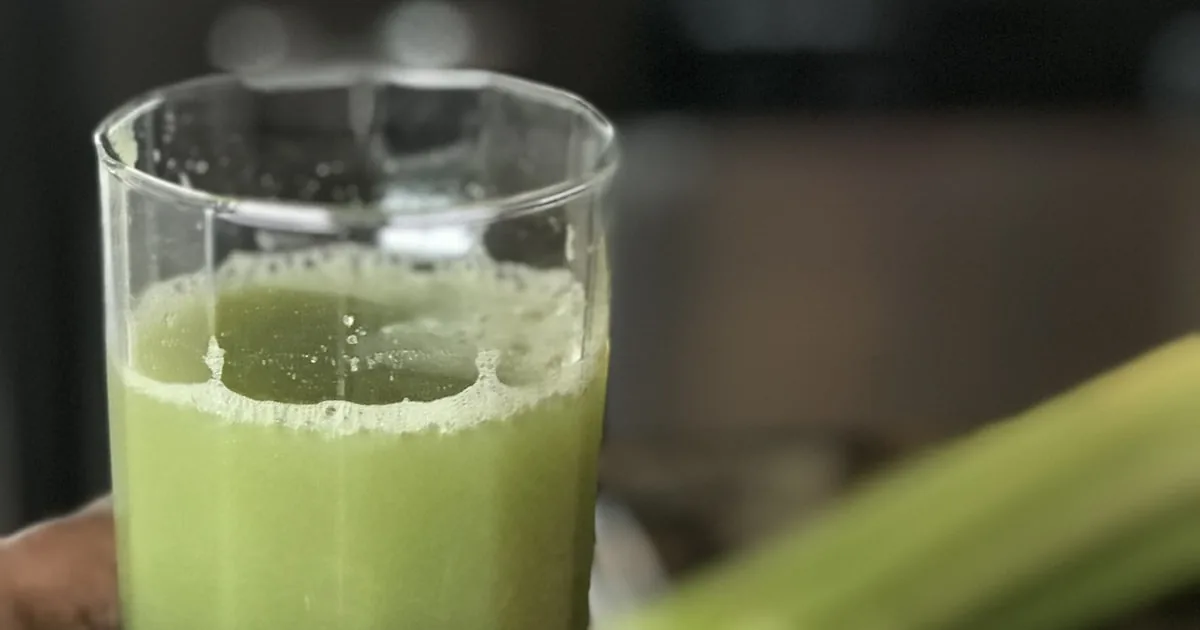
Does fruit juice break the fast? the clear answer
Yes. A glass of fruit juice breaks your fast.
The science is clear. A 250 ml glass of orange juice contains around 110 calories and 26 grams of carbohydrates. These carbohydrates trigger insulin secretion from the pancreas, which interrupts the metabolic processes of fasting.
The rule is simple: beyond 50 calories or more than 1 gram of carbohydrates, your body exits the fasting state. Insulin rises, blood sugar rises, and the benefits you were looking for stop.
| Boisson (250 ml) | Calories | Glucides | Break the fast? |
|---|---|---|---|
| Fresh orange juice | ~110 | 26 g | Oui |
| Apple juice | ~115 | 28 g | Oui |
| Carrot juice | ~95 | 22 g | Oui |
| Eau plate | 0 | 0 g | Non |
| Black coffee | 2 | 0 g | Non |
| Water + a few drops of lemon | ~2 | <1 g | Non |
“Modified” fasting (with juices or light broths) is not fasting in the strict sense. If you follow a 16/8 protocol for its metabolic benefits, juices should only be consumed during your eating window.
Why Intermittent Fasting Works (And What Can Break It)
Why can a simple juice ruin everything? Because your body, while fasting, does interesting things.
Autophagy: the great cellular cleaning
After 12 to 16 hours without food, your body activates autophagy. This process, highlighted by Nobel Prize winner Yoshinori Ohsumi, allows your cells to “recycle” their damaged components.
A study published in 2025 in The Journal of Physiology (Bensalem et al.) demonstrated for the first time in humans that intermittent fasting combined with a restricted eating window significantly increases autophagic flow. This research involved 121 adults and represents a major advance in understanding the mechanisms of fasting.
Ketosis: when the body burns fat
Without carbohydrate intake, your liver converts fatty acids into ketone bodies. This is lipolysis, or fat burning. This mild ketosis generally sets in between 12 and 18 hours of fasting.
The problem? Even a pinch of carbohydrates is enough to reverse the process. Your metabolism returns to “glucose use” mode, and ketosis is interrupted.
Ce qui stoppe tout
Insulin is key. As soon as it increases, autophagy decreases and lipolysis slows down. Fruit juice, even “natural” or “organic”, contains enough sugars to trigger this hormonal cascade.
The special case of lemon juice
This is probably THE most asked question about intermittent fasting. Can you put lemon in your water without breaking your fast?
The answer depends on the quantity.
Quelques gouttes : acceptable. Less than one gram of carbohydrates has no significant impact on insulin. You remain in a state of fasting.
Half a lemon or more : breaks the fast. At this amount, you are introducing enough calories and carbohydrates to trigger a metabolic response.
But here's what's really interesting. A study published in 2021 in the European Journal of Nutrition (Freitas et al.) showed that lemon juice reduces blood sugar response to the food consumed afterwards. Acidity slows gastric emptying, thereby moderating the absorption of carbohydrates.

Keep the lemon to break your fast intelligently. A glass of lemon water as the first food in your eating window can help moderate the glycemic response of your meal.
Vegetable juices and green juices: the myth to deconstruct
“Green juices do not break the fast because they do not contain fruit.”
This idea, popularized by Anthony William (the famous “Medical Medium”), collapses as soon as we look at the numbers. Even 100% vegetable juice contains carbohydrates.
A 350 ml glass of green juice (celery, cucumber, spinach) provides approximately 8 to 10 grams of carbohydrates. This is sufficient to interrupt ketosis and decrease autophagy.
The numbers are clear:
| Vegetable juice (100 ml) | Calories | Glucides |
|---|---|---|
| Pure celery | 16 | 3 g |
| Cucumber | 15 | 3 g |
| Spinach | 23 | 3,6 g |
| Carrot | 38 | 8 g |
Vegetable juices are excellent for your health. Their supply of vitamins, minerals and water makes them good nutritional allies. But they are to be consumed during your eating window, not during the fasting period.
As for “detox juice cures” (find out what science really says), remember that the concept of detoxification through juices has no scientific basis. As the British Medical Journal pointed out, the liver and kidneys ensure the removal of metabolic waste 24 hours a day. No amount of juice can “clean out” what these organs are already doing.
How to break your fast gently with a fresh juice
Good. We know what doesn't work. Let's talk about what works.
Breaking the fast is a strategic moment. After several hours without food, your digestive system is at rest. Suddenly waking him up with a food with a high glycemic index causes an uncomfortable insulin spike.
The right choices
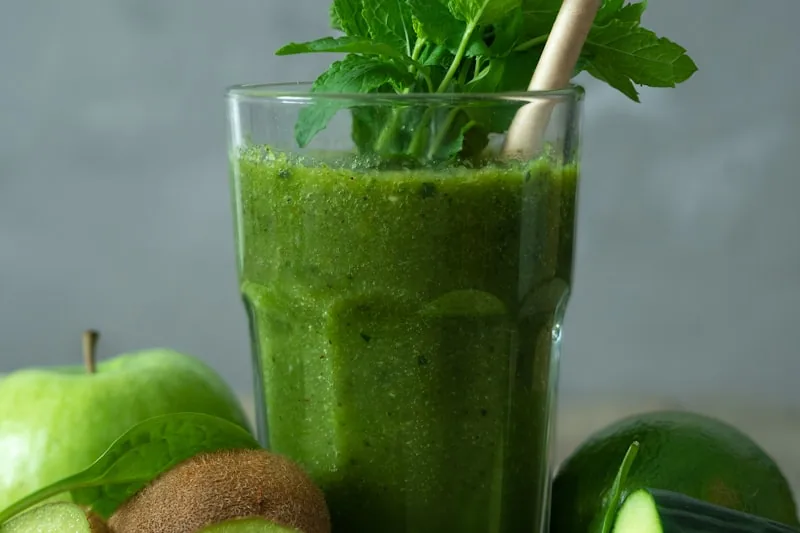
Favor juices with a low glycemic index (the beet juice is also a great option):
- Apple : GI of 38, natural fibers, sweet taste without excess
- Celery : GI less than 15, very hydrating, rich in electrolytes
- Carrot : GI of 35, beta-carotene intake
- Ginger : digestif reconnu (see our complete guide), facilitates food recovery
Timing matters
Research from Dr. Varady's team (2022) suggests that an early time-restricted eating window improves insulin sensitivity more than a mid-day window. If you can choose, break your fast in the morning rather than at midday.
Freshness, a neglected factor
Polyphenols, these beneficial compounds found in fresh juice, break down quickly. According to studies, juice loses up to 50% of its polyphenols after 7 days of storage, even in the refrigerator.
That’s why we press our juices every morning at Grasse. Seven days maximum storage? It’s not a limit, it’s our promise of freshness.
FAQ - your questions about juicing and intermittent fasting
Does lemon juice break intermittent fasting?
A few drops in the water: no. Half a lemon or more: yes. The simple rule: less than one gram of carbohydrates has no significant impact on insulin. To flavor your water during fasting, limit yourself to a few drops.
Can I drink orange juice while fasting?
No. A 250ml glass contains around 110 calories and 26 grams of carbohydrates, which triggers an insulin response and breaks the fast. Save this pleasure for your food window, where it will provide vitamin C and potassium.
What is the best juice to break the fast?
Favor juices with a low glycemic index: apple (GI 38), celery, carrot. Add ginger to aid digestion. Cold-pressed juices preserve nutrients better than pasteurized juices because heat breaks down vitamins and enzymes.
Does celery juice break the fast?
Yes. Even though it is very low in calories (16 kcal/100 ml), it contains carbohydrates. Celery is perfect for breaking the fast gently thanks to its lightness and its supply of electrolytes, but not during the fasting period.
How long does autophagy last after eating?
Autophagy decreases upon nutrient intake. It is maximum between 24 and 48 hours of fasting, but benefits are already observed from 12 to 16 hours, when mild ketosis sets in. The study by Bensalem et al. (2025) confirmed these mechanisms in humans.
Do juice cleanses detoxify the body?
No, it’s a marketing myth with no scientific basis. The liver and kidneys ensure the continuous elimination of metabolic waste. No “cure” can improve what these organs do naturally. Juices provide nutrients, not “detoxification”.
Ce qu’il faut retenir
Three essential points to keep in mind:
-
Juices break the fast. Beyond 50 calories or 1 gram of carbohydrates, your body exits the fasting state. Even “non-fruit” vegetable juices contain enough carbohydrates to interrupt ketosis and autophagy.
-
Lemon is the exception. A few drops in water remain acceptable during fasting. But save real lemon juice to break your fast: it can even help moderate the blood sugar response of your first meal.
-
Break your fast wisely. Choose juices with a low glycemic index, cold pressed to preserve nutrients. Ginger facilitates digestive recovery. And favor freshness: juice more than 7 days old has lost a good part of its benefits.
Intermittent fasting is not magic. It's biochemistry. And now you know the rules of the game.
Sources and references
The information in this article is provided for educational purposes and is not a substitute for medical advice. Intermittent fasting is not recommended for people with a history of eating disorders, pregnant or breastfeeding women, and people taking medical treatment. Consult a healthcare professional before starting.
Last updated: January 2026
Article written by the Joy Juice team, based on verified scientific sources.
This article respects our editorial charter and EFSA recommendations on health claims.